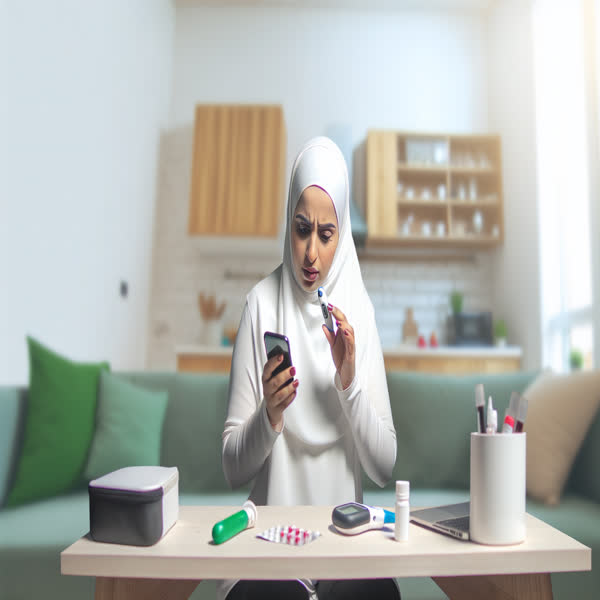
Complete Guide to At-Home Self-Testing & DIY Health Checks: Save on Medical Visits
Complete guide to at-home self-testing: types, accuracy, cost savings, and when to see a doctor. Learn about DIY health checks for diabetes, cholesterol, pregnancy, and more.
Hook: The Rising Trend of Self-Testing
The healthcare landscape is shifting. Did you know that 62% of Americans now use at-home health tests for routine monitoring? According to a 2025 survey by the American Association of Clinical Laboratories, the DIY healthcare market has grown by 187% over the past three years. As healthcare costs continue to soar—with routine doctor visits averaging $150-300 without insurance—millions are turning to affordable, convenient at-home solutions for basic health monitoring. Learn about best health insurance plans. Learn about health insurance costs. Learn about health insurance coverage. Learn about self-employed health insurance. Learn about right health insurance plan.
What is Self-Testing? Understanding DIY Healthcare
Self-testing, often called DIY healthcare or at-home testing, refers to health diagnostic tests you can perform yourself without visiting a doctor's office or lab. These tests use your biological samples (blood, saliva, urine, swabs) to measure specific health markers or detect conditions. Unlike laboratory tests that require professional technicians, self-tests are designed for ease of use by consumers.
Self-testing bridges the gap between waiting for a doctor's appointment and maintaining active health monitoring. They're particularly valuable for chronic condition management, preventive screening, quick assessment before scheduling doctor visits, and convenient baseline measurements.
Types of At-Home Self-Tests
Popular self-testing options include: glucose monitors (tracking diabetes), cholesterol panels, pregnancy tests, COVID-19/flu rapid tests, strep throat tests, UTI tests, blood pressure monitors, allergy tests, thyroid function tests, vitamin D tests, and liver/kidney function panels. Each test type has specific accuracy ranges, costs, and best-use cases.
Benefits vs. Risks
Benefits: Cost savings ($80-300 per doctor visit vs. $20-100 for home tests), convenience, privacy, speed, empowerment in health monitoring, frequent testing for chronic conditions, accessibility for remote residents, and early detection.
Risks: Lower accuracy than clinical labs (80-95% vs. 99%), user error, regulatory variations, tests detect presence not severity, interpretation challenges, quality control variation, and need for professional confirmation of abnormal results.
HealthLabs.com Self-Testing Options
HealthLabs.com offers popular DIY healthcare tests including at-home cholesterol panels ($45), glucose monitoring kits ($65), thyroid panels ($89), vitamin D tests ($75), comprehensive metabolic panels ($99), allergy panels ($149), hormone panels ($129), sleep biomarker tests ($110), inflammation marker tests ($85), and hair mineral analysis ($95).
How to Use Self-Tests Correctly
Best practices include reading instructions thoroughly, ensuring proper sample collection quality, maintaining appropriate environmental conditions, following exact timing instructions, recording results for trend tracking, and proper disposal of materials. Most tests fail due to user error—take time and follow steps precisely.
When to See a Doctor
Professional evaluation is essential for abnormal results, persistent symptoms despite negative tests, urgent symptoms (chest pain, severe bleeding), multiple positive tests, medication concerns, pregnancy confirmation, severe infections, mental health issues, chronic condition changes, and combination symptoms. When in doubt, call your doctor.
Cost Savings Analysis
Real-world savings examples: Diabetes management ($660/year savings with at-home testing), cholesterol monitoring ($400/year), allergy identification ($200-400 per instance), and thyroid monitoring ($500/year). People managing 2-3 chronic conditions save $900-1,900 annually, or $9,000-19,000 over a decade.
FAQ: 6 Common Questions
1. Are home tests as accurate as lab tests? Most FDA-approved tests are 90-95% as accurate as clinical labs. Accuracy depends on technique, brand quality, and manufacturer standards.
2. Can I request medication based on self-test results? Yes, many doctors discuss home test results. However, they may confirm abnormal results with clinical labs before prescribing.
3. How often should I test? Frequency varies: daily for diabetes, annually for cholesterol, daily if hypertensive for blood pressure. Discuss with your doctor.
4. Are home tests FDA approved? Most reputable brands are FDA-approved or cleared. Check packaging for FDA status.
5. What if I get abnormal results? Repeat the test, schedule a doctor appointment, bring results to your visit, and let your doctor order confirmatory tests if needed.
6. Can self-tests replace annual doctor visits? No. Self-tests supplement but don't replace comprehensive annual checkups, physical exams, and preventive care.
Conclusion: The Future of Personal Health Monitoring
At-home self-testing represents a shift from reactive to proactive healthcare. The sweet spot is integration: use self-tests for routine monitoring, track trends, and bring data to annual doctor visits. Combined with healthy lifestyle choices and professional guidance, at-home testing can reduce healthcare costs while improving health outcomes. Your health is worth monitoring—start today.
Keywords:
self-testing, at-home health, DIY healthcare, health monitoring, lab tests, home test kits, glucose monitoring, cholesterol test, pregnancy test, COVID test, self-test accuracy, healthcare costs, preventive health
Related Articles
Ready to Compare?
Use our comparison tool to find the best diy healthcare options for your needs.
Go to DIY Healthcare Comparison